Are you still delivering consulting projects like it's 2005, hoping each engagement magically works out while you scramble to reinvent the wheel every single time?
Here's the brutal truth: Most consultants are TRAPPED in ad-hoc delivery cycles that drain their energy, frustrate clients, and cap their revenue at whatever hours they can physically work. You're not alone if you've found yourself "desperately juggling multiple client implementations" with no standardized approach, watching projects fail not because your expertise isn't solid, but because your implementation process is a mess.
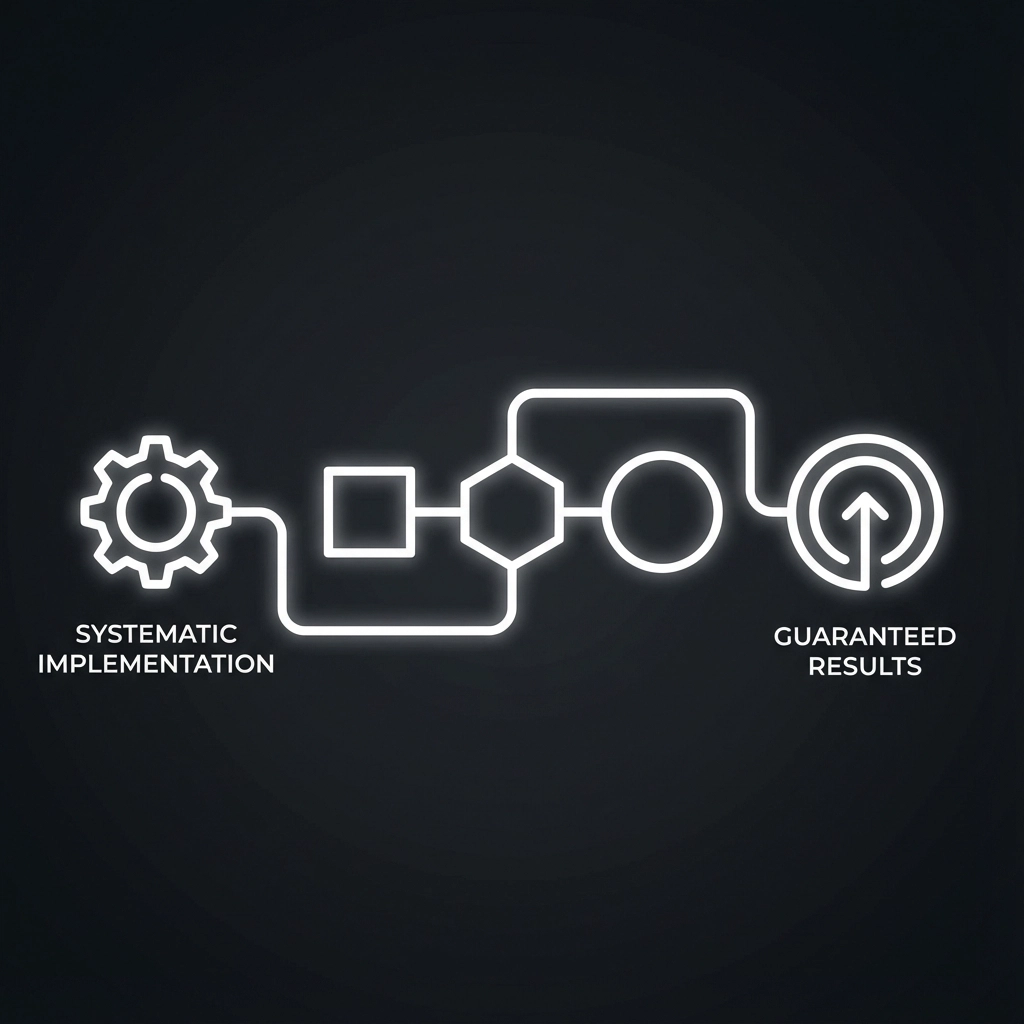
The difference between consultants who scale past $500K annually and those stuck in the hourly grind isn't talent or connections. It's SYSTEMATIC IMPLEMENTATION.
Why Ad-Hoc Implementation Kills Consulting Businesses
Every time you start a new client engagement from scratch, you're essentially running a custom software project without version control. No frameworks. No standardized phases. No predictable outcomes.
This creates what we call "implementation debt" – the cumulative cost of reinventing your delivery process for every single client. The symptoms are obvious: projects that drag on for months, scope creep that devours your margins, and clients who can't see clear progress milestones.

The Three Deadly Sins of Ad-Hoc Implementation:
- Zero Predictability – You can't estimate timelines accurately because every project is a unique experiment
- Knowledge Fragmentation – Lessons learned on one engagement disappear into email threads and forgotten notebooks
- Client Confusion – Without clear phases and deliverables, clients lose confidence in your process
The result? You're working harder for lower margins while constantly explaining why things are taking longer than expected.
The Science Behind Systematic Implementation
Implementation science has evolved far beyond basic project management frameworks. Modern systematic implementation draws from evidence-based methodologies that have been tested across thousands of organizational change initiatives.
The Quality Implementation Framework (QIF), developed by synthesizing 25 different implementation frameworks, provides the backbone for what actually works in real-world consulting engagements. This isn't theory – it's been deployed across 70+ locations in national-scale programs.
Core Implementation Science Principles:
- Staged Progression: Moving through defined phases with clear entry/exit criteria
- Multilevel Assessment: Evaluating readiness across individual, organizational, and system levels
- Adaptive Feedback Loops: Built-in mechanisms to adjust course based on real-time data
- Stakeholder Integration: Systematic engagement of all implementation participants
The EPIS Framework (Exploration, Preparation, Implementation, Sustainment) revolutionized how we think about implementation by recognizing that most failures happen in the preparation phase, not during execution.
The AlphaSync Systematic Implementation Engine
We've taken these proven frameworks and engineered them specifically for high-performing consultants who need REPEATABLE, SCALABLE delivery systems.

Phase 1: Exploration & Diagnostic (Week 1-2)
Objective: Establish implementation readiness and identify systemic barriers
This isn't your typical "discovery call." We're conducting a systematic organizational assessment that measures readiness across five critical domains:
- Intervention Characteristics – How well-defined and evidence-based is the solution?
- Outer Setting – What external factors will influence implementation?
- Inner Setting – What's the organizational culture and capacity for change?
- Individual Characteristics – Who are the key stakeholders and what's their implementation history?
- Implementation Process – What's the optimal engagement strategy?
Deliverable: Implementation Readiness Matrix with scored recommendations
Phase 2: Architecture & Preparation (Week 3-4)
Objective: Design the implementation infrastructure and stakeholder engagement protocols
Here's where most consultants jump straight into "doing the work." Wrong move. The preparation phase is where implementation success is actually determined.
Key Activities:
- Stakeholder mapping and influence analysis
- Implementation team formation (internal champions + external support)
- Resource allocation and timeline optimization
- Risk mitigation protocol development
- Success metrics definition and tracking system setup
Critical Success Factor: Establishing your Implementation Team within the client organization. These aren't just "project sponsors" – they're trained change agents who will drive adoption long after you're gone.
Phase 3: Initial Implementation (Week 5-8)
Objective: Deploy core interventions with intensive monitoring and rapid-cycle feedback
This is systematic execution, not chaotic scrambling. Every action is mapped to predetermined success criteria with built-in checkpoints for course correction.
The Four-Week Sprint Structure:
- Week 1: Core system deployment with daily stakeholder check-ins
- Week 2: User training and initial adoption measurement
- Week 3: Process optimization based on usage data
- Week 4: Expansion planning and sustainability preparation
Non-Negotiable: Weekly Implementation Metrics Reviews with quantified progress indicators. No "everything's going well" status updates.

Phase 4: Full Implementation & Optimization (Week 9-12)
Objective: Achieve organization-wide adoption with sustainable operating procedures
Full implementation means the solution is embedded into daily workflows, not just "installed and working." We're measuring behavior change, not just system functionality.
Systematic Optimization Protocol:
- Performance data analysis and bottleneck identification
- User feedback integration and process refinement
- Advanced feature deployment based on adoption maturity
- Internal expertise transfer and documentation
Phase 5: Sustainment & Scaling (Week 13+)
Objective: Ensure long-term viability and prepare for organizational expansion
This is where most consulting engagements fail. The consultant leaves, and within 60 days, everything reverts to the old way of doing things.
Sustainment Architecture includes:
- Internal capability transfer protocols
- Ongoing monitoring and maintenance procedures
- Expansion roadmap for additional departments/use cases
- Annual optimization review scheduling
Implementation Success Metrics That Actually Matter
Forget "client satisfaction scores" and "project completion rates." Systematic implementation demands measurement systems that track REAL business impact.
The Three-Layer Metrics Framework:
Layer 1: Implementation Process Metrics
- Phase completion rate (target: 95%+ on-time progression)
- Stakeholder engagement frequency (minimum 3x weekly during active phases)
- Risk mitigation activation rate (percentage of identified risks with active countermeasures)
Layer 2: Adoption & Behavior Metrics
- User adoption velocity (time to 80% daily active usage)
- Process compliance rate (adherence to new workflows)
- Internal champion effectiveness (measured by peer influence and problem resolution)
Layer 3: Business Impact Metrics
- ROI achievement timeline (planned vs actual value realization)
- Sustainability indicators (performance maintenance after consultant transition)
- Expansion readiness score (organizational capability for scaling implementations)
Orchestrating Multiple Client Implementations
Once you've mastered systematic implementation for individual clients, the real leverage comes from running multiple implementations simultaneously without losing quality or burning out your team.
The Implementation Portfolio Management System:
Each client engagement operates on the same five-phase framework, but with staggered start dates that optimize your resource allocation across phases. While Client A is in Sustainment (requiring minimal consultant time), Client B is in Initial Implementation (requiring intensive support), and Client C is just entering Architecture & Preparation.
This creates a steady-state operation where you're consistently generating revenue from multiple sources while maintaining high delivery standards across all engagements.

Common Implementation Failure Points (And How to Prevent Them)
Failure Point #1: Skipping the Exploration Phase
Solution: Never begin implementation without completing the readiness assessment. Period.
Failure Point #2: Weak Implementation Team Formation
Solution: Identify and train internal champions before any deployment activities begin.
Failure Point #3: Measurement System Gaps
Solution: Establish tracking mechanisms during Architecture phase, not after problems emerge.
Failure Point #4: Premature Consultant Withdrawal
Solution: Sustainment phase is not optional – it's where long-term success is secured.
The Systematic Implementation Advantage
When you operate with systematic implementation frameworks, three things happen immediately:
- CLIENT CONFIDENCE INCREASES – They can see exactly where they are in the process and what comes next
- PROJECT MARGINS IMPROVE – Predictable phases mean accurate pricing and scope control
- SCALING BECOMES POSSIBLE – Standardized delivery means you can handle more clients without chaos
The systematic approach transforms you from "consultant for hire" into "implementation specialist" – a much more valuable and defensible market position.
Your clients aren't just buying your expertise anymore. They're buying your SYSTEM for translating that expertise into sustainable organizational change.
Status: Implementation framework deployment complete. Ready for systematic scaling.
Leave a Reply