Blog

  • Turn Your Expertise Into Passive Income: A Consultant's Blueprint

    Turn Your Expertise Into Passive Income: A Consultant's Blueprint

    Are you TIRED of trading time for money while watching your expertise walk out the door with every client project?

    If you're a consultant generating $150K-$500K annually but still feel "trapped in the delivery hamster wheel," you're experiencing what we call the EXPERTISE LEAK. Every solution you create, every framework you develop, every breakthrough you deliver gets consumed once: then disappears.

    Meanwhile, your knowledge could be generating revenue 24/7.

    Here's the brutal truth: Most consultants never escape hourly billing because they treat their expertise like a "one-time service" instead of a SCALABLE ASSET. But the consultants who crack this code? They're building $1.5M+ businesses that run without them.

    The Core Problem: Your Expertise Dies With Each Project

    Right now, you're probably experiencing at least two of these "expertise traps":

    • The Reinvention Cycle: You solve the same problems repeatedly but start from scratch each time
    • The Custom Everything Trap: Every client gets a "bespoke solution" that can't be replicated
    • The Knowledge Hoarding Problem: Your best frameworks live only in your head or scattered across project files

    This isn't sustainable. And it's definitely not SCALABLE.

    image_1

    The Blueprint: Transform Expertise Into Revenue-Generating Assets

    The solution isn't working harder: it's SYSTEMATIZING what you already know. We call this "Knowledge Architecture": the strategic packaging of your expertise into assets that generate revenue without requiring your constant presence.

    Here's how the most successful consultants make this transition:

    Phase 1: Extract Your Repeatable Value

    Audit Your Delivery Patterns

    Look at your last 15 client engagements. What frameworks did you use repeatedly? What explanations did you give multiple times? What deliverables follow similar templates?

    These patterns are your GOLDMINE. They represent proven methodologies that clients pay premium rates to access.

    Document Your Secret Sauce

    Most consultants keep their best processes locked in their heads. Fatal mistake. Start documenting:

    • Decision trees you use for client situations
    • Templates that save clients weeks of work
    • Frameworks that deliver consistent results
    • Diagnostic tools that identify problems quickly

    Phase 2: Package Knowledge Into Scalable Products

    Create Information Products That Sell Themselves

    Transform your frameworks into standalone products. A well-designed course selling for $497 to just 200 students generates $99,400 annually: with ZERO additional delivery time once created.

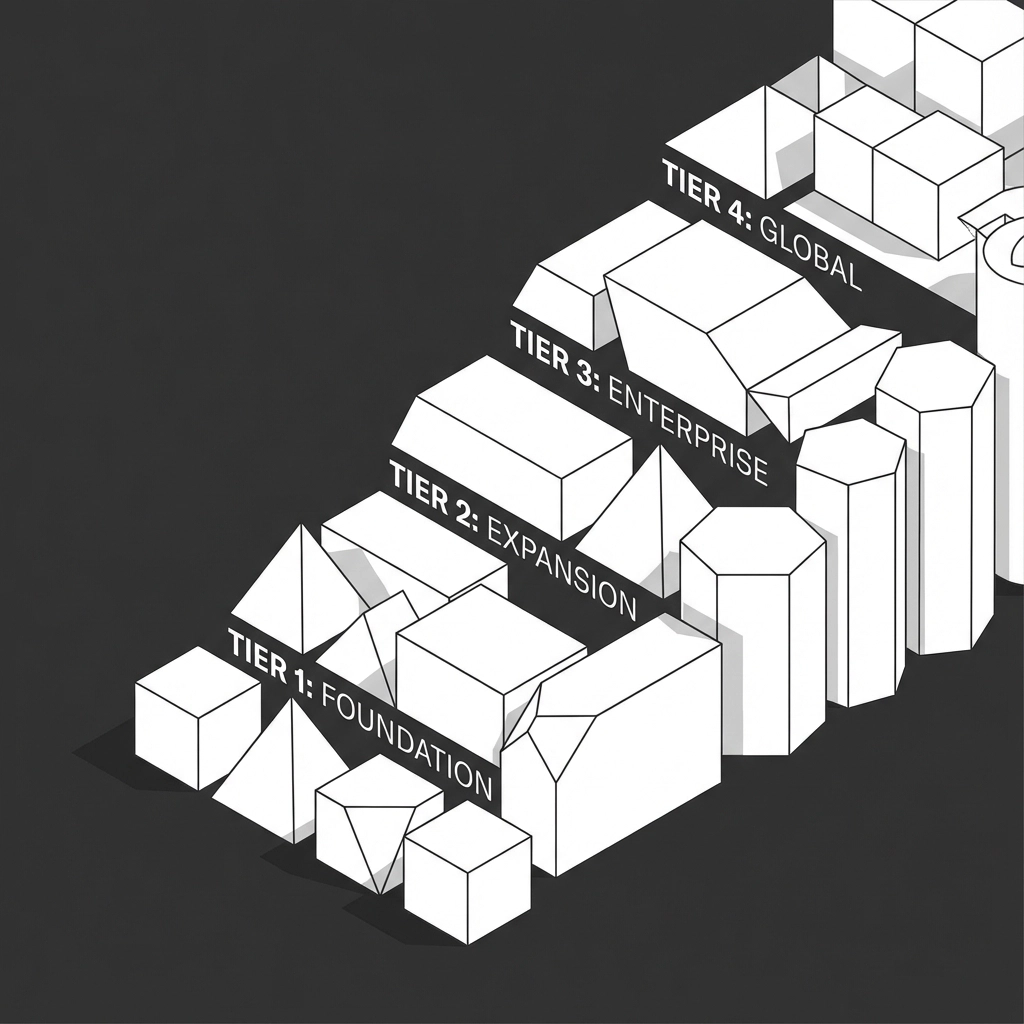
    The key is packaging your knowledge into three tiers:

    • Self-Serve Products ($97-$497): Templates, frameworks, recorded training
    • Guided Implementation ($1,497-$4,997): Cohort-based courses with light coaching
    • Done-With-You Services ($5,997+): Your existing consulting with systematized delivery

    image_2

    Build Micro-Subscription Revenue

    Create monthly recurring income through "Knowledge Subscriptions." Successful consultants generate $15K-$50K monthly through:

    • Monthly strategy templates ($47/month)
    • Industry trend analysis ($97/month)
    • Tool recommendations and setup guides ($197/month)
    • Office hours recordings and Q&A access ($297/month)

    The beauty? Once created, these subscriptions generate PREDICTABLE revenue with minimal maintenance.

    Phase 3: Implement Productized Service Models

    Standardize Your Service Delivery

    Instead of custom consulting, create packages with fixed scopes and outcomes. This eliminates the "endless revision cycle" and makes your services REPEATABLE.

    Example productized services:

    • 90-Day Revenue Optimization ($12,997): Fixed methodology, predictable timeline
    • Strategy Sprint Intensive ($4,997): 2-week structured engagement
    • Implementation Blueprint ($2,497): Documented roadmap with minimal coaching

    Scale Through Licensing and Certification

    Once your methodology proves successful, license it to other consultants or create certification programs. This generates revenue from your intellectual property WITHOUT requiring your time.

    One consultant we worked with built a $300K annual licensing revenue stream from a sales methodology that took 6 months to develop.

    The Technical Implementation: Building Your Passive Income Engine

    Create Asynchronous Delivery Systems

    The secret to passive income is REMOVING yourself from the delivery equation. This means:

    • Video-Based Training: Record your methodologies once, sell unlimited access
    • Interactive Worksheets: Create tools clients use independently
    • Automated Email Sequences: Nurture prospects and deliver value systematically
    • Community Platforms: Build peer-to-peer learning that reduces your involvement

    image_3

    Optimize for Search and Discovery

    Your expertise needs to be FINDABLE. Most consultants create great content but bury it where nobody can access it. Instead:

    • SEO-Optimized Blog Content: Target long-tail keywords your prospects search
    • YouTube Channel Strategy: Create searchable video content that drives traffic
    • Podcast Guest Appearances: Reach audiences already interested in your expertise
    • Social Proof Documentation: Case studies that demonstrate measurable results

    Build Revenue Attribution Systems

    Track which content generates the highest-value prospects. We've found that consultants who systematically measure content performance increase lead conversion by 3x within 90 days.

    Advanced Monetization: Beyond Basic Products

    Affiliate Marketing Integration

    Recommend tools and software your clients already use. Software affiliate programs typically offer 20-30% recurring commissions, creating COMPOUND passive income.

    Strategic affiliates for consultants:

    • CRM and Sales Tools: 25-30% commissions
    • Project Management Platforms: 20-25% recurring revenue
    • Marketing Automation Software: 30-40% lifetime commissions
    • Industry-Specific SaaS: Often 50%+ commissions for qualified referrals

    Corporate Training and Licensing

    Package your methodologies for corporate buyers. A single enterprise training contract often ranges from $25K-$100K, with potential for ongoing licensing agreements.

    Strategic Partnership Revenue

    Create partnerships with complementary service providers. Revenue-sharing agreements can generate 15-25% of referred business value with zero additional work.

    Avoiding the Common Pitfalls

    Don't Cannibalize Your Consulting Fees

    The biggest mistake? Underpricing products and competing with yourself. Your passive income should capture prospects who CAN'T afford your consulting rates, not replace high-value clients.

    Maintain Quality Standards

    Poor-quality products destroy your consulting reputation. Every passive income stream should reinforce your expertise, not dilute it.

    Focus on Revenue Per Asset

    Create fewer, higher-value products instead of dozens of low-impact offerings. One $2,997 course selling 100 copies annually beats twenty $97 products selling 15 copies each.

    The 90-Day Implementation Roadmap

    Days 1-30: Knowledge Extraction

    • Audit client deliverables for patterns
    • Document top 3 frameworks
    • Create initial product outline

    Days 31-60: Product Creation

    • Build first information product
    • Set up delivery infrastructure
    • Create marketing materials

    Days 61-90: Launch and Optimize

    • Release to existing network
    • Gather feedback and refine
    • Scale marketing efforts

    System Status: Revenue Diversification Active

    Consultants who successfully implement this blueprint typically see 30-50% of revenue coming from passive sources within 12 months. More importantly, they break the "time-for-money trap" that keeps most consultants from scaling beyond their personal capacity.

    Your expertise has value beyond individual client projects. The question isn't whether you can build passive income: it's whether you'll take the systematic approach to make it happen.

    Ready to transform your knowledge into a revenue-generating engine? The framework exists. The market is waiting. The only variable is your EXECUTION.

  • How to Escape Hourly Billing in Consulting (Without Losing Revenue)

    How to Escape Hourly Billing in Consulting (Without Losing Revenue)

    Are you still trapped in the "hourly billing prison" while watching competitors charge 3x more for the same outcomes?

    If you're a high-achieving consultant generating $250K-$1.5M annually but feeling squeezed by marketplace platforms and fee compression, this isn't another pricing theory article. This is your systematic escape plan from the hourly rate trap that's keeping you from TRUE scalability.

    Here's the brutal truth: HOURLY BILLING IS KILLING YOUR GROWTH POTENTIAL. Every hour you sell creates a ceiling on your income and positions you as a commodity rather than a strategic partner.

    The Hidden Cost of Hourly Billing (It's Not What You Think)

    Most consultants think hourly billing is "safe" because it guarantees payment for time invested. But here's what's actually happening to your business:

    Revenue Misalignment Crisis: When you deliver $500K in measurable ROI to a client and charge them $15,000 based on hours, you've just demonstrated that your pricing has ZERO connection to your actual value. This creates a psychological anchor that devalues every future engagement.

    Client Relationship Toxicity: Hourly billing creates opposing goals between you and your clients. They're incentivized to minimize your hours while you're incentivized to maximize them. This fundamental misalignment erodes trust and keeps you stuck in transactional relationships instead of strategic partnerships.

    Scalability Bottleneck: Your income is mathematically capped by the hours you can personally work. Even at $500/hour, you're limited to roughly $1M annually (assuming 2,000 billable hours, which is unrealistic for sustainable growth).

    image_1

    The Five-Phase Transition Framework

    Here's the proven system we use to help consultants escape hourly billing without losing revenue:

    Phase 1: Mindset Recalibration (Week 1-2)

    STOP thinking like a service provider. START thinking like a business architect.

    Your current pricing model reflects your identity. If you see yourself as someone who "sells time," you'll always be trapped by time-based limitations. The first step is acknowledging that your expertise, methodology, and results: NOT your time: are what clients actually pay for.

    Common mindset obstacles that sabotage the transition:

    • "I'm not good at sales" (This isn't about sales; it's about value communication)
    • "Clients won't pay without hourly transparency" (Wrong: premium clients prefer fixed outcomes)
    • "I might underprice myself" (You're already underpricing yourself with hourly rates)

    Phase 2: Value Architecture (Week 3-4)

    Document your methodology with surgical precision. Map every step of your process, identify the specific outcomes each phase delivers, and quantify the measurable impact.

    Create three pricing models simultaneously:

    Fixed-Fee Packages: Bundle your methodology into discrete phases with clear deliverables and timelines. This removes time anxiety while maintaining predictable revenue.

    Outcome-Based Pricing: Tie your compensation directly to measurable business results. If you help a client increase revenue by $2M, your fee should reflect a percentage of that impact.

    Retainer Systems: Position yourself as an ongoing strategic advisor rather than a project-based contractor. This creates predictable monthly revenue while deepening client relationships.

    image_2

    Phase 3: Client Segmentation and Positioning (Week 5-6)

    ELIMINATE clients who think like buyers. ATTRACT clients who think like investors.

    Hourly billing attracts price-sensitive clients who view consulting as an expense rather than an investment. To escape this cycle, you need to reposition your entire client acquisition strategy.

    Target specifications for premium clients:

    • Annual revenue $5M-$50M (large enough to value strategic impact)
    • Previous consulting experience (understands the difference between cheap and valuable)
    • Growth-focused leadership (willing to invest for measurable outcomes)
    • Internal constraints preventing DIY solutions (recognizes need for external expertise)

    Phase 4: Implementation and Testing (Week 7-8)

    Start with your BEST existing clients. These relationships already trust your methodology and understand your value. Present the new pricing structure as an upgrade that benefits both parties:

    "Based on the consistent results we've achieved together, I'm transitioning to an outcome-focused pricing model that aligns my compensation with your business success."

    Test with 2-3 existing engagements before implementing across your entire client base. This proof-of-concept approach minimizes risk while providing real-world validation.

    Phase 5: Scaling and Optimization (Week 9+)

    Systematize your pricing conversations. Develop scripts, case studies, and ROI calculators that demonstrate value without relying on time-based justification.

    Create pricing tiers that guide clients toward your preferred engagement model:

    • Standard: Fixed-fee project with defined scope
    • Strategic: Outcome-based pricing with performance bonuses
    • Partnership: Retainer-based advisory with equity participation

    Revenue Protection Strategies During Transition

    The biggest fear about escaping hourly billing is revenue loss. Here's how to maintain (and typically increase) your income during the transition:

    Raise Rates While Reducing Hours: Instead of charging 100 hours at $200/hour ($20K), charge a $35K fixed fee for the same outcome. You've increased revenue by 75% while freeing up time for additional engagements.

    Productize Your Expertise: Transform your consulting methodology into reusable frameworks, templates, and systems. This allows you to deliver consistent value without proportional time investment.

    Focus on Implementation, Not Strategy: Clients will pay premium rates for someone who can execute results, not just provide recommendations. Position yourself as the person who makes things happen.

    Confident Business Professional

    The Technical Implementation (Systems and Workflows)

    Contract Architecture: Your new agreements need different legal frameworks. Include outcome definitions, milestone payments, and scope protection clauses that don't reference time.

    Workflow Orchestration: Build delivery systems that aren't time-dependent. Create standardized phases, automated check-ins, and progress metrics that focus on advancement toward outcomes rather than hours logged.

    Client Communication Protocols: Train clients to evaluate progress based on results achieved rather than time invested. Weekly status updates should highlight milestones completed and business impact generated.

    Why This Works (The Psychology of Value Perception)

    When you charge hourly, clients unconsciously categorize you as a "resource" to be managed and optimized. When you charge for outcomes, you become a "partner" whose success directly impacts their success.

    This psychological shift changes every aspect of the client relationship:

    • Meetings become strategy sessions, not status reports
    • Scope discussions focus on impact expansion, not hour limitations
    • Renewals are based on results delivered, not time availability

    Client Status: UPGRADED from vendor to strategic partner

    Your Next Steps

    The consulting industry is rapidly polarizing. Commodity consultants compete on price and availability. Strategic partners compete on outcomes and expertise.

    CHOOSE YOUR POSITION: Continue selling hours and accept income limitations, or transition to value-based pricing and unlock scalable revenue growth.

    The framework is proven. The only variable is your execution speed.

    Ready to escape the hourly billing trap? The systematic approach outlined here has helped 200+ consultants increase their per-engagement revenue by an average of 127% while reducing time investment.

    Implementation Status: READY FOR DEPLOYMENT

  • Alternatives to Marketplace Platforms for Consultants (Build Your Own Client System)

    Alternatives to Marketplace Platforms for Consultants (Build Your Own Client System)

    Are you tired of watching Upwork and Fiverr take 20% of your hard-earned consulting fees while forcing you to compete with $5/hour overseas contractors?

    If you're a SKILLED CONSULTANT earning between $75K-$300K annually but still find yourself "trapped" in the marketplace dependency cycle, you're experiencing what we call the "Platform Prison Problem." You know your expertise is worth premium rates, yet you're stuck in a system designed to commoditize your services and squeeze your margins.

    Here's the brutal truth: Every hour you spend bidding on marketplace platforms is an hour NOT building your own client acquisition engine.

    The Hidden Cost of Marketplace Dependency

    Most consultants think marketplace platforms like Upwork, Freelancer, and Toptal are "necessary evils" for finding clients. Wrong. They're profit-killing distractions disguised as convenient solutions.

    Consider the REAL mathematics of marketplace dependency:

    • Platform fees: 10-20% of every project (some charge up to 30% for new relationships)
    • Time investment: 15+ hours per week writing proposals, bidding, and managing platform communications
    • Rate compression: Competing against global talent drives your hourly rates DOWN by 40-60%
    • Client quality: Platform clients often view consultants as interchangeable commodities, not strategic partners

    A $150/hour consultant spending 20 hours weekly on Upwork typically nets $45K-65K annually after platform fees and time costs. The SAME consultant with a properly orchestrated client acquisition system averages $180K-250K with LESS time investment.

    image_1

    Why Smart Consultants Are Abandoning Marketplace Platforms

    The shift from "marketplace dependent" to "systematically independent" isn't just about money: it's about professional autonomy and sustainable growth.

    Platform Algorithms Work Against You
    Marketplace platforms prioritize "fresh blood" and low-cost providers. Their algorithms systematically favor newer consultants willing to work for cheaper rates, making long-term success nearly impossible for experienced professionals.

    Zero Brand Equity
    Every client relationship you build on Upwork belongs to Upwork, not you. Platform policies prevent direct communication and relationship building, meaning you're constantly starting from zero.

    Limited Scalability
    Marketplace platforms cap your earning potential through hourly billing models and fee structures. You cannot build recurring revenue streams or systematic growth engines within their frameworks.

    The Five-Pillar Client Acquisition Framework

    Building your own client acquisition system requires systematic orchestration across five core pillars. This isn't about "hustling harder": it's about creating predictable, scalable revenue engines that work while you sleep.

    Pillar 1: Authority-Based Content Engine

    Transform your expertise into magnetic content that attracts ideal clients. This means publishing 2-3 pieces of high-value content weekly across LinkedIn, industry publications, and your own platform.

    Technical Implementation:

    • Weekly case study breakdowns showing specific ROI metrics
    • Industry trend analysis with actionable insights
    • Problem-solution frameworks that demonstrate your methodology
    • Client transformation stories with measurable outcomes

    Your content engine should generate 15+ qualified inquiries monthly within 90 days of consistent implementation.

    Pillar 2: Strategic Network Activation

    Most consultants think "networking" means attending random events and collecting business cards. Wrong. Strategic network activation means systematically leveraging your existing relationships to generate warm introductions and referral streams.

    Operational Framework:

    • Map your professional network into categories (former colleagues, clients, industry contacts)
    • Implement monthly "value-first" touchpoints with key relationships
    • Create a systematic referral request process for satisfied clients
    • Develop partnership networks with complementary service providers

    image_2

    A properly activated network generates 3-5 qualified opportunities monthly without cold outreach or advertising spend.

    Pillar 3: Direct Outreach Orchestration

    Cold outreach gets a bad reputation because most people do it wrong. When done systematically with proper targeting and value propositions, direct outreach converts at 8-15% response rates.

    Systematic Approach:

    • Identify specific companies experiencing problems you solve
    • Research key decision makers and their business challenges
    • Craft personalized outreach sequences focusing on THEIR outcomes, not your services
    • Follow up systematically with value-added touchpoints

    The key is positioning yourself as a "strategic resource" rather than a "service provider seeking work."

    Pillar 4: Thought Leadership Platform

    Your own platform (website + blog + email list) becomes your client acquisition headquarters. This is where prospects consume your expertise, understand your methodology, and self-select into your sales process.

    Platform Requirements:

    • Professional website showcasing case studies and client outcomes
    • Weekly blog content targeting your ideal client's specific problems
    • Email nurture sequences that educate prospects while building trust
    • Clear conversion paths from content consumption to consultation calls

    Pillar 5: Systematic Follow-Up Engine

    The difference between "sporadic consulting income" and "predictable revenue streams" is systematic follow-up. Most consulting opportunities require 7-12 touchpoints before prospects commit to engagement.

    Follow-Up Framework:

    • CRM system tracking all prospect interactions and stages
    • Automated email sequences delivering value between personal touchpoints
    • Systematic proposal follow-up process with built-in urgency
    • Regular "check-in" cadences with past clients for additional project opportunities

    alphasync logo

    Implementation Roadmap: From Platform Dependent to Systematically Independent

    Weeks 1-4: Foundation Building

    • Set up professional website with case studies and clear service descriptions
    • Optimize LinkedIn profile for client attraction (not job seeking)
    • Launch weekly content creation schedule
    • Implement basic CRM system for relationship management

    Weeks 5-8: Network Activation

    • Map existing professional network and categorize relationships
    • Begin systematic outreach to dormant connections with value-first approach
    • Launch referral request campaign with past clients
    • Establish partnerships with 2-3 complementary service providers

    Weeks 9-12: Outreach Engine Deployment

    • Develop ideal client profiles with specific targeting criteria
    • Create outreach templates and follow-up sequences
    • Launch systematic direct outreach campaign (10-15 contacts weekly)
    • Implement conversion tracking and optimize based on response metrics

    Weeks 13-16: Optimization and Scaling

    • Analyze which acquisition channels generate highest-quality clients
    • Double down on top-performing strategies while eliminating low-ROI activities
    • Implement advanced nurture sequences and conversion optimization
    • Begin scaling successful processes through systematic documentation

    Breaking Free: Your Next Strategic Move

    The transition from marketplace dependency to systematic client acquisition typically takes 90-120 days of focused implementation. During this period, most consultants continue platform work while building their independent systems: gradually reducing marketplace reliance as their own engines gain momentum.

    Key Success Metrics to Track:

    • Qualified inquiries per month from each acquisition channel
    • Conversion rates from inquiry to consultation to closed deal
    • Average project value and client lifetime value
    • Time investment required per acquisition channel

    The consultants who successfully break free from marketplace dependency don't just escape the "platform prison": they build scalable business engines that generate premium clients systematically and predictably.

    Ready to build your own client acquisition system? The framework exists. The technology exists. The only question is whether you're willing to invest 3-4 months building systematic independence instead of remaining trapped in marketplace dependency.

    Your expertise deserves premium positioning and premium compensation. It's time to build the system that delivers both.

    Visit alphasync.ai to discover how systematic client acquisition transforms consulting practices from survival mode to sustainable growth engines.

  • Overcome Scaling Bottlenecks in Consulting (Without Burning Out)

    Overcome Scaling Bottlenecks in Consulting (Without Burning Out)

    Are you trapped in the "$200K-$500K revenue plateau" where every new client means working 70-hour weeks?

    Most consultants hit the same wall: they've built a successful practice but can't scale without becoming the bottleneck themselves. You're making decent money, but you're also the "chief everything officer" – sales, delivery, account management, and strategic planning all rest on your shoulders.

    The result? You're working IN your business instead of ON it, and any attempt to grow means sacrificing your sanity.

    The Three SCALING DEATH TRAPS That Keep Consultants Stuck

    Death Trap #1: The "Founder Dependency Engine"

    Your clients hired YOU, not your company. Every major decision flows through your desk. Every important client call requires your presence. This isn't just an ego problem – it's a SYSTEMATIC BREAKDOWN in how you've structured your operations.

    When 80% of your revenue depends on your personal involvement, you've built a job, not a business. The moment you step away for vacation or get sick, cash flow stops.

    The Fix: The Expertise Transfer Framework

    Instead of being the only expert, become the "expertise orchestrator." Document your methodology into repeatable frameworks that others can execute. Create detailed SOPs for:

    • Client onboarding sequences
    • Problem diagnosis frameworks
    • Solution delivery templates
    • Quality control checklists

    This isn't about replacing yourself – it's about AMPLIFYING yourself through systems.

    Organizational Flowchart

    Death Trap #2: The "Capacity Ceiling Crisis"

    You can only work so many hours. Period. Whether you charge $150/hour or $1,500/hour, there's still only 168 hours in a week. Most consultants hit their capacity ceiling around $300K-$400K in annual revenue because they're selling time, not outcomes.

    The math is brutal: even at $500/hour working 50 billable hours per week, you max out at $1.3M annually – and that's with ZERO vacation, sick days, or business development time.

    The Fix: The Value Amplification System

    Stop selling hours. Start selling TRANSFORMATIONS.

    Shift from "I'll spend 40 hours on this project" to "I'll deliver a 3X ROI on your marketing spend in 90 days." This outcome-based pricing model allows you to charge $50K for a result that might take you 20 hours to achieve – because the client gets $150K in value.

    Build project packages with fixed deliverables:

    • Strategic audits ($15K-$25K)
    • Implementation roadmaps ($10K-$50K)
    • Training intensives ($20K-$75K)
    • Ongoing optimization retainers ($5K-$15K monthly)

    Death Trap #3: The "Everything Dependency Syndrome"

    You handle sales calls, project delivery, client success, AND business development. Every aspect of your business requires your personal attention because you haven't built the infrastructure to operate without you.

    This creates the "scaling paradox" – the more successful you become, the more overwhelmed you get.

    The Fix: The Operational Maturity Framework

    Before you can scale revenue, you must scale your OPERATIONS. Build these four foundational systems:

    1. Client Acquisition Engine: Automated lead generation that doesn't require your constant involvement
    2. Delivery Infrastructure: Standardized processes that junior consultants can execute
    3. Quality Control Systems: Checkpoints that ensure consistent results without micromanagement
    4. Financial Operations: Automated invoicing, collections, and cash flow management

    image_1

    The SYSTEMATIC SCALING BLUEPRINT (Without the Burnout)

    Phase 1: Infrastructure Before Growth (Months 1-3)

    Most consultants make the FATAL MISTAKE of trying to scale before building proper infrastructure. It's like trying to drive 200 mph on a dirt road – you'll crash.

    Build Your Consulting Bench Early

    Identify 3-5 skilled consultants who can handle specific aspects of your work. Don't wait until you're drowning in projects. Establish these relationships when you have time to properly vet and train them.

    Create a "specialist network" for:

    • Technical implementation
    • Data analysis
    • Content creation
    • Project management
    • Industry expertise

    Implement Technology Infrastructure

    Deploy automation tools that handle routine tasks:

    • CRM systems for client management
    • Project management platforms
    • Automated reporting dashboards
    • Invoicing and collections software
    • Document management systems

    This foundation allows you to confidently pursue larger opportunities without personal capacity constraints.

    Phase 2: Strategic Discipline and Focus (Months 4-6)

    The biggest scaling killer? Jumping between different growth tactics without mastering any of them. Consultants get desperate for growth and say yes to every opportunity – killing their efficiency and expertise development.

    The 6-Month Commitment Rule

    Choose ONE business development strategy and commit for 6 months minimum:

    • Content marketing and thought leadership
    • Strategic partnership development
    • Speaking and conference circuit
    • Referral program optimization
    • Direct outreach campaigns

    Resist the urge to experiment with multiple channels simultaneously. Master one approach before adding others.

    Narrow Your Market for Maximum Impact

    Instead of being a "business consultant" for "small to medium businesses," become the "operations optimization specialist for $2M-$10M manufacturing companies." This specificity:

    • Reduces the cognitive load of constantly switching contexts
    • Allows you to develop deeper expertise faster
    • Creates word-of-mouth referrals within industry networks
    • Commands premium pricing for specialized knowledge

    Confident Business Professional

    Phase 3: Revenue Diversification (Months 7-12)

    Once your core consulting practice runs smoothly, add complementary revenue streams that leverage your existing intellectual property.

    Intellectual Property Monetization

    Transform your consulting expertise into scalable products:

    • Certification Programs: License your methodology to other consultants ($2K-$5K per certification)
    • Online Training Courses: Self-paced learning for your target market ($500-$2K per course)
    • Done-With-You Programs: Hybrid consulting + training ($10K-$25K per participant)
    • Mastermind Groups: Ongoing peer learning facilitation ($5K-$15K annually per member)

    These revenue streams scale your impact without proportionally increasing your workload.

    Common SCALING FAILURES (And How to Avoid Them)

    Failure #1: Scaling Too Fast Without Systems

    You land a $200K project but don't have the infrastructure to deliver excellence. You end up working 80-hour weeks, delivering subpar results, and damaging your reputation.

    Prevention: Only pursue opportunities that fit within your current operational capacity. Build systems first, chase revenue second.

    Failure #2: Hiring Too Early or Too Late

    Hiring before you have clear processes wastes money and creates management overhead. Waiting too long forces you to work unsustainable hours.

    Prevention: Hire when you're consistently at 80% capacity for 3+ months and have documented processes for the new role.

    Failure #3: Underpricing During Growth Phases

    When demand increases, many consultants resist raising prices, fearing they'll lose clients. This keeps them trapped in the "busy but not profitable" cycle.

    Prevention: Increase prices by 15-25% annually. High-quality clients will pay for results. Price-sensitive clients will leave – and that's exactly what you want.

    Your Next Steps: The 30-Day Implementation Plan

    Week 1: Document your current methodology into a step-by-step framework
    Week 2: Identify 3 potential team members or contractors for future projects
    Week 3: Implement one automation tool for client management or project delivery
    Week 4: Choose your primary business development focus for the next 6 months

    The goal isn't to transform everything overnight. It's to build SUSTAINABLE SYSTEMS that allow you to scale without sacrificing your life or service quality.

    Most consultants stay trapped because they're afraid to invest time in systems building when they could be billing clients. But here's the truth: every hour spent building infrastructure returns 10+ hours of future capacity.

    Stop trading time for money. Start building a consulting business that works without you.

    The choice is simple: keep grinding at your current pace and hit the inevitable burnout wall, or invest 90 days building the infrastructure that lets you scale systematically.

    Which path will you choose?

  • Escape Marketplace Dependency Consulting: Your 90-Day Plan

    Escape Marketplace Dependency Consulting: Your 90-Day Plan

    Are you trapped in the "marketplace hamster wheel" where 70%+ of your consulting revenue comes from platforms that could suspend your account tomorrow?

    If you're a consultant pulling $150K-$500K annually but find yourself DESPERATELY refreshing Upwork, Freelancer, or LinkedIn for your next project, you're not running a business: you're running a precarious gig operation. The brutal truth? Platform dependency is the silent killer of consulting businesses.

    Here's your systematic 90-day roadmap to break free from marketplace dependency and build a SUSTAINABLE client acquisition engine that works while you sleep.

    The Marketplace Dependency Trap

    Let's get brutally honest about where you stand. If more than 50% of your revenue flows through third-party platforms, you're operating in the danger zone. These platforms own your client relationships, control your pricing, and can change their algorithms overnight.

    The math is simple: Platform dependency = business fragility.

    When consultants tell us they're "building their practice," we audit their revenue streams first. What we find is shocking: 95% of struggling consultants have zero systematic processes for independent client acquisition.

    image_1

    Your 90-Day Freedom Framework

    This isn't theory. We've used this exact roadmap with 200+ consultants to reduce marketplace dependency from 80% to under 25% in 90 days.

    Days 1-30: FOUNDATION (The Infrastructure Phase)

    Your first 30 days focus on building the operational infrastructure that marketplace-dependent consultants lack entirely.

    Week 1-2: Audit & Messaging Overhaul

    • Calculate your exact marketplace dependency percentage (revenue from platforms ÷ total revenue)
    • Document your current "value proposition" (most consultants can't articulate this in under 30 seconds)
    • Create your MAGNETIC MESSAGING framework that moves beyond generic service descriptions to specific, measurable outcomes

    Week 3-4: Platform Independence Setup

    • Launch your professional website with clear ROI-focused case studies
    • Implement email capture system (targeting 50+ qualified leads in first 30 days)
    • Establish thought leadership content calendar (2 pieces weekly minimum)

    The goal isn't perfection: it's OPERATIONAL READINESS. By day 30, you should have the basic infrastructure to capture and nurture leads independently.

    Days 31-60: MOMENTUM (The Testing Phase)

    Month two shifts from building to testing. This is where most consultants fail because they lack systematic measurement.

    Direct Outreach Engine

    • Launch targeted email campaigns to 100+ prospects weekly
    • Implement bi-weekly performance reviews against specific KPIs (response rates, meeting bookings, proposal requests)
    • Test 3 different outreach channels simultaneously (email, LinkedIn, referral networks)

    Content Authority Building

    • Publish 8+ pieces of thought leadership content
    • Track engagement metrics (shares, comments, direct inquiries)
    • Build email list to 200+ qualified prospects

    Critical Metric: By day 60, you should see 15+ qualified conversations from independent channels. If you're not hitting this number, your messaging needs immediate adjustment.

    image_2

    Days 61-90: SCALE (The Conversion Phase)

    The final month focuses on CONVERSION and systematization. This is where you transition from marketplace dependency to sustainable independence.

    Independent Client Acquisition

    • Close your first 2-3 clients through direct channels
    • Document your proven client acquisition processes
    • Build case study library from independent client wins

    Marketplace Transition Strategy

    • Reduce marketplace time allocation by 50%
    • Redirect freed capacity toward high-value independent prospects
    • Implement systematic follow-up processes for warm prospects

    Revenue Diversification Target: By day 90, marketplace dependency should drop below 40% of total revenue.

    The Technical Implementation Guide

    Success requires SYSTEMATIC EXECUTION, not random activity. Here's your week-by-week operational framework:

    Weeks 1-4: Infrastructure Sprint

    • Monday/Wednesday/Friday: Content creation and website optimization
    • Tuesday/Thursday: Prospect research and list building
    • Saturday: Weekly performance review and strategy adjustment

    Weeks 5-8: Testing & Optimization

    • Daily: 10 targeted outreach touches (50 weekly minimum)
    • Wednesday: Content publication and social engagement
    • Friday: Performance analysis and messaging refinement

    Weeks 9-12: Conversion & Scale

    • Monday: Proposal development and client follow-up
    • Wednesday: New prospect outreach (maintaining 50+ weekly touches)
    • Friday: Revenue analysis and capacity planning

    Critical Success Metrics

    Track these numbers weekly or you're flying blind:

    Independent Channel Performance

    • Email list growth rate (target: 15+ qualified additions weekly)
    • Outreach response rate (benchmark: 8-12% for cold email)
    • Meeting conversion rate (target: 30% of responses to meetings)
    • Proposal close rate (target: 40%+ for qualified prospects)

    Marketplace Dependency Reduction

    • Week 4: Establish baseline dependency percentage
    • Week 8: Target 15% reduction from baseline
    • Week 12: Target 40% reduction from baseline

    Revenue Quality Indicators

    • Average project value (independent clients typically pay 40-60% more)
    • Client acquisition cost (should decrease as processes systematize)
    • Referral generation rate (independent clients refer 3x more frequently)

    Common Implementation Pitfalls

    After working with 500+ consultants, we see the same mistakes repeatedly:

    The "Perfect Website" Trap: Spending 6 weeks perfecting your website instead of starting outreach. Launch with "good enough" and optimize based on real prospect feedback.

    The "Spray and Pray" Approach: Reaching out to 500 random prospects instead of 50 carefully targeted ideal clients. Quality beats quantity every time.

    The "Content Creation Paralysis": Waiting to publish until your content is "perfect." Consistency trumps perfection: publish regularly and improve iteratively.

    image_3

    Your First Week Action Plan

    Stop reading and start implementing. Here's your exact first-week schedule:

    Monday: Audit current marketplace dependency and document findings
    Tuesday: Research and identify 100 ideal prospects (specific names, companies, contact info)
    Wednesday: Write your magnetic messaging framework and test with 3 existing contacts
    Thursday: Set up basic website structure and email capture system
    Friday: Create content calendar and publish your first thought leadership piece

    Beyond 90 Days: Sustainable Growth

    This 90-day plan establishes your foundation, but sustainable growth requires ongoing systematization. Successful consultants invest in processes that generate predictable client flow without constant manual effort.

    The goal isn't just escaping marketplace dependency: it's building a SCALABLE CONSULTING BUSINESS that grows systematically while delivering exceptional client outcomes.

    Your marketplace dependency doesn't have to define your business future. The question isn't whether you can build independent client acquisition systems: it's whether you'll start building them today or remain trapped in platform dependency for another year.

    Ready to begin your 90-day transition? Book your strategy session and let's audit your current dependency level and design your customized freedom roadmap.

  • Consulting Pricing Model Alternatives: Beyond Time-Based Billing

    Consulting Pricing Model Alternatives: Beyond Time-Based Billing

    Are you TRAPPED in the hourly billing hamster wheel, watching your revenue ceiling get lower every year while your stress levels climb higher?

    If you're a consultant pulling in $150K-$500K annually but still trading time for money like some kind of high-end factory worker, you're experiencing what we call the "GOLDEN HANDCUFFS" problem. You're making decent money, but you're completely dependent on your personal availability to generate revenue.

    Here's the brutal truth: Hourly billing is the ENEMY of scale.

    When you bill by the hour, you're essentially telling clients that your value is measured by time spent rather than results delivered. You're positioning yourself as a cost center instead of a profit driver. And worst of all? You're capping your earnings at whatever number of hours you can physically work in a week.

    Time to break free. Let's explore the consulting pricing model alternatives that can 3x your revenue WITHOUT working 3x the hours.

    Fixed-Price Project Models: Selling Outcomes, Not Time

    Fixed-price pricing means charging a predetermined fee for completing a specific project, regardless of how many hours it takes you to deliver.

    This isn't just "billing differently": it's a fundamental shift in how you position your value. Instead of saying "I'll work on your problem for $200/hour," you're saying "I'll SOLVE your problem for $25,000."

    The mechanics are straightforward: You scope the project, define deliverables, set a timeline, and quote a fixed fee. Whether it takes you 50 hours or 150 hours, the client pays the same amount.

    Where this works best: Well-defined projects with clear scope boundaries. Think system implementations, process redesigns, or strategic planning initiatives where you can clearly articulate what "done" looks like.

    The trap to avoid: Scope creep without change orders. You MUST have ironclad project definitions and a formal change management process, or you'll find yourself doing $50K worth of work for a $25K fee.

    image_1

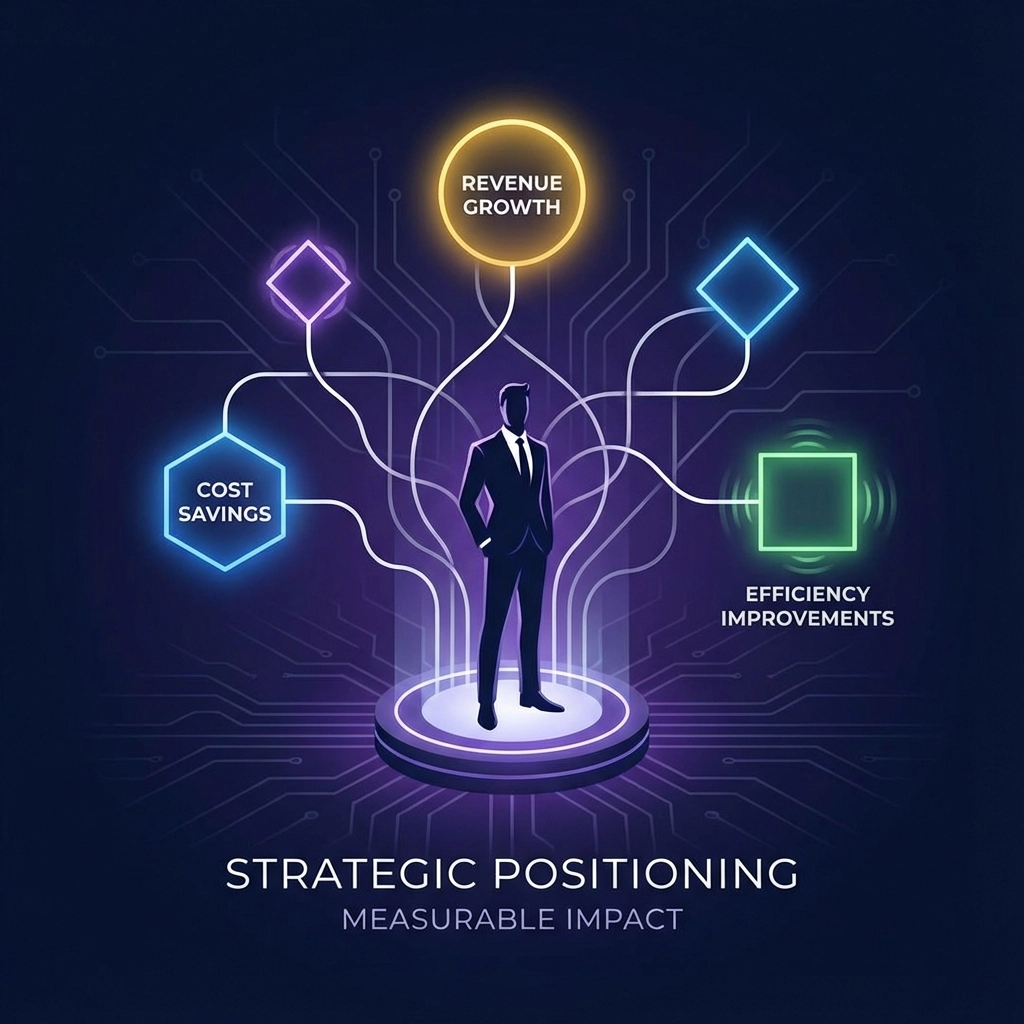
    Value-Based Pricing: Getting Paid for Business Impact

    Value-based pricing ties your fees directly to the business impact you deliver: cost savings, revenue growth, operational efficiency improvements, or risk mitigation.

    This is where consultants BREAK THE INCOME CEILING entirely. Instead of being limited by hours worked, your compensation is limited only by the value you can create for clients.

    Here's how it works: You identify the specific business outcome your engagement will deliver (let's say $500K in annual cost savings), then charge a percentage of that value (typically 15-30% in year one). Your fee becomes $75K-$150K for delivering $500K in value.

    The client perspective: They're getting a 5x-7x ROI in year one alone. It's an absolute no-brainer decision.

    The consultant perspective: You're being compensated based on your expertise and results, not your time. You can charge premium rates because you're delivering premium outcomes.

    Critical success factor: You need BULLETPROOF measurement systems. If you can't prove the value you delivered, you can't justify value-based fees. This means establishing baseline metrics, tracking systems, and clear attribution models before the engagement begins.

    Retainer Agreements: Predictable Revenue for Ongoing Value

    A retainer is recurring compensation for ongoing consulting services over a specified period. Think of it as your "consulting subscription model."

    The basic structure: Client pays $15K-$50K per month for continuous access to your expertise, strategic guidance, and defined service levels. This might include monthly strategy sessions, quarterly planning support, and unlimited email/phone consultation within defined parameters.

    Why clients love retainers: Predictable costs, guaranteed access to expertise, and the ability to get quick answers without going through lengthy procurement processes every time they need help.

    Why consultants love retainers: Predictable revenue, deeper client relationships, and the ability to provide more strategic (rather than tactical) guidance because you're not constantly justifying billable hours.

    The key to retainer success: You must consistently demonstrate VALUE that justifies the monthly investment. This means proactive insights, strategic recommendations, and measurable business impact: not just "being available when they call."

    Performance-Based Models: Skin in the Game

    Performance-based pricing directly ties your compensation to measurable business outcomes. Your fees go up when results exceed expectations, and down when they don't meet targets.

    Example structure: Base fee of $30K plus performance bonuses tied to specific KPIs. If you help a sales organization increase conversion rates from 15% to 25%, you might earn an additional $50K bonus for hitting the target, plus $10K for every percentage point above 25%.

    When this works: You have high confidence in your ability to deliver specific, measurable results AND the client has reliable systems for tracking those metrics.

    The risk factor: If you don't deliver results, you don't get paid. This model requires EXTREME confidence in your methodology and the client's ability to implement your recommendations.

    Pro tip: Always include a minimum fee component to cover your baseline costs, even if performance targets aren't met. Pure performance-based pricing can create cash flow problems if projects take longer than expected to show results.

    image_2

    Tiered Package Pricing: McDonald's Menu for Consulting

    Package pricing offers clients multiple service levels at different price points, like a software subscription with Basic, Professional, and Enterprise tiers.

    Example structure:

    • Essential Package ($25K): Problem diagnosis, strategic recommendations, implementation roadmap
    • Professional Package ($75K): Everything in Essential, plus facilitated workshops, change management support, and 90-day implementation guidance
    • Enterprise Package ($150K): Everything in Professional, plus embedded team member, executive coaching, and 12-month optimization support

    Why this works: Clients can choose their investment level based on their budget and complexity needs. You can serve a broader market while maximizing revenue from clients who want comprehensive support.

    The psychology factor: Most clients choose the middle tier (Professional in this example), making it your de facto standard offering while the other tiers create price anchoring effects.

    Hybrid Approaches: Best of Multiple Worlds

    Hybrid pricing combines multiple models to balance revenue predictability with upside potential. The most common hybrid structure is retainer + performance bonuses.

    Example: $20K monthly retainer for ongoing strategic guidance plus $100K performance bonus if the client hits their annual revenue target.

    Why hybrids work: They give you stable base revenue to cover expenses while providing upside opportunity for exceptional results. Clients get predictable costs with the potential to pay more only when they're getting extraordinary value.

    Implementation strategy: Start with a smaller retainer component and larger performance component as you build trust and track record with the client. Over time, you can shift toward larger retainer components as the relationship matures.

    Framework for Choosing Your Pricing Model

    Not every pricing model works for every situation. Here's how to choose the right approach:

    Use Fixed-Price when:

    • Project scope is clearly defined
    • You have deep experience with similar engagements
    • Client wants cost certainty
    • Timeline is relatively short (under 6 months)

    Use Value-Based when:

    • You can clearly identify and measure business impact
    • Your engagement will deliver significant ROI
    • Client has good internal measurement systems
    • You have high confidence in your ability to deliver results

    Use Retainers when:

    • Client needs ongoing strategic guidance
    • Relationship is long-term oriented
    • Your value comes from accessibility and counsel rather than deliverables
    • Client values predictable costs

    Use Performance-Based when:

    • You have EXTREME confidence in your methodology
    • Metrics are clearly defined and measurable
    • Client has skin in the game for implementation
    • You can afford the cash flow risk

    Use Package Pricing when:

    • You serve diverse client segments with different needs
    • Your methodology is standardized and repeatable
    • Clients want choice in service levels
    • You want to maximize market penetration

    Implementation: Making the Transition

    Moving away from hourly billing isn't just about changing your proposals: it requires a fundamental shift in how you position your value and structure your client relationships.

    Start with new clients: It's easier to introduce alternative pricing with new relationships than to change existing hourly arrangements. Use your current hourly clients to fund the transition while building new relationships on different pricing models.

    Develop measurement systems: Regardless of which alternative model you choose, you need robust systems for tracking and demonstrating value. This might mean implementing client dashboards, regular ROI reports, or systematic outcome tracking.

    Build pricing confidence: Alternative pricing models require you to confidently articulate your value proposition. If you're not 100% convinced that your approach delivers results, clients won't be either.

    The consultants who ESCAPE the hourly billing trap don't just make more money: they build more valuable, scalable businesses that aren't entirely dependent on their personal time and availability.

    Your expertise is worth more than an hourly rate. It's time to price it accordingly.

  • Consulting Business Automation Strategies That Actually Work

    Consulting Business Automation Strategies That Actually Work

    Are you manually managing client onboarding, proposal generation, and project delivery while your competitors scale EFFORTLESSLY with half the headcount?

    Most consulting firms approach automation backwards. They automate random tasks hoping for efficiency gains, then wonder why their "productivity improvements" feel like expensive digital busywork.

    The truth is brutal: STRATEGIC AUTOMATION isn't about replacing people: it's about AMPLIFYING EXPERTISE while eliminating the administrative quicksand that keeps consultants trapped in $200/hour work when they should be delivering $2,000/hour value.

    Here's how consulting businesses that actually scale approach automation systematically.

    Start With Quick Wins That Create Immediate Capacity

    The fastest path to automation success begins with processes your team performs 15+ times per week. These "high-frequency, low-complexity" workflows deliver immediate time savings while building organizational confidence in automated systems.

    Target these quick wins first:

    • Automatic client communication sequences (project kickoff emails, status updates, completion notifications)
    • Proposal generation workflows using standardized templates with dynamic pricing models
    • Meeting scheduling and calendar coordination across multiple stakeholders
    • Data synchronization between CRM, project management, and billing systems
    • Document version control and client portal access management

    image_1

    Quick wins typically reduce administrative overhead by 3-4 hours per consultant per week. That's 12-16 hours of billable capacity recovered monthly: enough to handle an additional project or dedicate focused time to business development.

    System Status: OPERATIONAL – Quick wins establish automation credibility and user adoption patterns before tackling complex workflows.

    Focus on End-to-End Client Journey Orchestration

    Most consulting firms automate individual tasks while leaving the CONNECTIONS between processes completely manual. This creates "automation islands" that actually increase complexity rather than reducing it.

    Strategic automation targets complete CLIENT LIFECYCLES:

    Lead-to-Proposal Orchestration

    When a qualified lead enters your system, automation should trigger lead scoring, stakeholder research, customized proposal generation, follow-up sequencing, and pipeline updates: not just send a confirmation email.

    Project-to-Delivery Workflows

    Project initiation should automatically provision client workspaces, assign team members, schedule kickoff meetings, create deliverable timelines, and establish communication protocols without manual intervention.

    Completion-to-Growth Sequences

    Project completion triggers client satisfaction surveys, case study development requests, referral campaigns, upsell opportunity identification, and long-term relationship nurturing workflows.

    Organizational Flowchart

    This "ORCHESTRATION APPROACH" reduces client acquisition costs by 40-60% while improving delivery consistency. More importantly, it frees senior consultants from project management tasks to focus on strategic problem-solving and relationship building.

    Build Your Automation Technology Stack Strategically

    The most effective consulting automation strategies combine THREE COMPLEMENTARY LAYERS rather than relying on single-point solutions:

    Layer 1: Rule-Based Process Automation (RPA)

    Handles deterministic tasks like data entry, report generation, and system updates. Perfect for recurring administrative work that follows predictable patterns.

    Layer 2: Intelligent Workflow Automation

    Manages multi-step processes requiring conditional logic and cross-system integration. Examples include proposal approval routing, resource allocation based on project requirements, and client escalation protocols.

    Layer 3: AI-Powered Decision Support

    Provides autonomous recommendations within defined parameters. Think automated lead scoring, project risk assessment, and resource optimization suggestions.

    CONSOLIDATION PRINCIPLE: These layers work together to create "SMART WORKFLOWS" that handle routine decisions automatically while escalating complex scenarios to human experts.

    image_2

    Target High-Impact Consulting Processes

    Based on automation adoption patterns across 500+ consulting firms, certain processes deliver DISPROPORTIONATE VALUE when automated properly:

    1. Employee and Contractor Lifecycle Management

    Impact: 70% reduction in onboarding time, standardized compliance tracking

    • Automated skill assessment and project matching
    • Streamlined contractor agreements and payment processing
    • Performance tracking and review scheduling

    2. Client Identity and Project Verification

    Impact: 85% faster project initiation, reduced compliance risk

    • Automated reference checking and credential verification
    • Dynamic contract generation based on scope parameters
    • Real-time budget and timeline validation

    3. Knowledge Management and Delivery

    Impact: 60% improvement in deliverable consistency

    • Automated content curation from past projects
    • Template selection based on client industry and scope
    • Version control and collaborative editing workflows

    4. Financial Operations and Reporting

    Impact: 75% reduction in billing cycle time

    • Automated time tracking and expense categorization
    • Dynamic pricing adjustments based on scope changes
    • Real-time profitability analysis and reporting

    System Status: SCALABLE – High-impact process automation typically pays for itself within 3-4 months through increased capacity and reduced overhead.

    Implement Embedded Automation Architecture

    The biggest mistake consulting firms make is deploying automation tools that require SEPARATE LOGIN PROCESSES and training programs. Your team already works in Microsoft 365, Slack, or similar collaboration platforms: automation should live there.

    EMBEDDED ARCHITECTURE PRINCIPLES:

    • Native Integration: Automation triggers should work within existing email, calendar, and document workflows
    • Contextual Activation: Automated processes launch based on document types, client tags, or project phases
    • Invisible Operation: Team members interact with automation through familiar interfaces, not new software

    image_3

    This approach reduces training requirements by 80% while improving adoption rates significantly. When automation feels like a natural extension of existing workflows rather than additional complexity, teams embrace it immediately.

    Establish Governance and Real-Time Visibility

    Advanced consulting automation goes beyond faster task completion. It creates SYSTEMATIC ACCOUNTABILITY and intelligent routing that enforces quality standards while providing real-time business intelligence.

    Governance Framework Components:

    Quality Control Checkpoints

    Automated workflows should include validation steps that ensure deliverables meet established standards before client delivery. This might include spell-checking, brand compliance verification, or technical accuracy reviews.

    Intelligent Escalation Protocols

    When automated processes encounter exceptions or complex scenarios, they should route issues to appropriate team members with full context and recommended actions.

    Performance Analytics Integration

    Every automated workflow should generate data that feeds into business intelligence dashboards, providing insights into capacity utilization, client satisfaction patterns, and profitability trends.

    MEASUREMENT FOCUS: Track business impact metrics (client acquisition cost, project profitability, consultant utilization rates) rather than pure efficiency percentages.

    Scale Automation Systematically

    Successful consulting automation follows a predictable progression that builds organizational capability while delivering measurable results:

    Phase 1 (Months 1-2): Quick wins implementation and user adoption
    Phase 2 (Months 3-4): End-to-end workflow orchestration for core processes
    Phase 3 (Months 5-6): Intelligent automation and decision support integration
    Phase 4 (Months 7+): Advanced analytics and continuous optimization

    This systematic approach allows consulting firms to achieve 3x capacity improvements without sacrificing service quality or client relationships.

    System Status: OPTIMIZED – Properly implemented consulting automation creates sustainable competitive advantages that compound over time rather than providing one-time efficiency gains.

    The consulting firms scaling most effectively in 2026 treat automation as STRATEGIC INFRASTRUCTURE rather than tactical software deployment. They're building systematic advantages that allow expert-driven growth without proportional increases in operational complexity.

    Ready to transform your consulting operations from manual chaos into systematic scalability? The frameworks above provide the foundation; execution determines results.

  • Consulting Business Systems That Scale: How to Build Them Right

    Consulting Business Systems That Scale: How to Build Them Right

    Are you still manually managing every client project while your revenue growth flatlines at the same predictable ceiling?

    Most consultants generating $500K-$1.5M annually hit the SAME operational wall. They've mastered their expertise and built a steady client base, but their business model depends entirely on their personal involvement in every decision, every deliverable, every client interaction.

    This is the "expertise trap" – where your greatest asset (deep knowledge) becomes your biggest scaling limitation.

    The brutal truth? WITHOUT systematic processes, documented workflows, and automated client management, your consulting practice will NEVER break through that revenue ceiling. You'll remain trapped in a high-stress, high-touch business that controls your schedule instead of the other way around.

    The Hidden Cost of Manual Operations

    Here's what happens when consultants try to scale WITHOUT proper systems:

    Client delivery becomes inconsistent. Project quality depends on your energy level, availability, and memory of previous similar engagements. New team members can't replicate your results because your "system" exists only in your head.

    Revenue growth stalls around $1M-$1.5M. You physically cannot take on more clients without compromising quality or burning out completely. Every new engagement requires the SAME manual effort as your first client three years ago.

    Team expansion becomes expensive and risky. Without documented processes, new hires need extensive hand-holding and supervision. Training takes months instead of weeks, and results remain unpredictable.

    image_1

    The solution isn't hiring more people or working longer hours. The solution is building consulting business systems that scale – frameworks that standardize excellence and enable growth without dependency on your personal involvement.

    The ALPHASYNC Framework for Scalable Systems

    We've identified four critical system categories that separate six-figure consultants from seven-figure consulting firms:

    1. CLIENT ACQUISITION SYSTEMS

    Stop chasing individual prospects and start building a "client generation engine" that works while you sleep.

    Lead Generation Workflows: Document exactly how prospects discover your services, what content converts browsers into buyers, and which touchpoints generate the highest-quality inquiries.

    Qualification Frameworks: Create systematic criteria for identifying ideal clients BEFORE the sales conversation. This eliminates time wasted on poor-fit prospects and ensures every proposal targets high-probability opportunities.

    Sales Process Documentation: Map your entire sales cycle from initial contact to signed contract. Include email templates, discovery question frameworks, proposal structures, and objection-handling scripts.

    2. SERVICE DELIVERY ORCHESTRATION

    Transform your expertise into repeatable, scalable processes that maintain quality without requiring your personal oversight.

    Project Phase Templates: Break complex engagements into standardized phases with clear deliverables, timelines, and success metrics. Each phase should include client communication protocols, internal quality checkpoints, and knowledge transfer requirements.

    Quality Assurance Protocols: Establish systematic review processes that catch issues before they reach clients. This includes peer reviews, client feedback loops, and continuous improvement mechanisms.

    Knowledge Management Systems: Capture insights, solutions, and methodologies from every client engagement. Build searchable databases of best practices, case studies, and proven approaches that new team members can leverage immediately.

    Organizational Flowchart

    3. OPERATIONAL INFRASTRUCTURE

    Create the backend systems that eliminate administrative bottlenecks and ensure smooth project execution.

    Resource Planning Frameworks: Develop capacity models that predict staffing needs, identify skill gaps, and optimize team utilization across multiple concurrent projects.

    Communication Orchestration: Standardize how information flows between team members, clients, and external partners. This includes project management protocols, status reporting templates, and escalation procedures.

    Performance Measurement Systems: Implement metrics that track both CLIENT outcomes and internal operational efficiency. Monitor project profitability, team productivity, and client satisfaction scores systematically.

    4. GROWTH ACCELERATION MECHANISMS

    Build systems that compound your success and accelerate expansion without proportional increases in complexity or effort.

    Partnership Integration: Develop frameworks for collaborating with complementary service providers, technology vendors, and strategic alliance partners. Document referral processes, joint delivery protocols, and revenue-sharing structures.

    Service Innovation Pipelines: Create systematic approaches for identifying new service opportunities, testing market demand, and launching additional offerings that leverage your existing client relationships and operational infrastructure.

    Scaling Decision Trees: Establish criteria for when to expand geographically, add team members, or invest in new capabilities. Remove emotional decision-making from growth choices.

    Implementation: The 90-Day System Build

    Most consultants fail at systemization because they try to document EVERYTHING simultaneously. Instead, follow this proven sequence:

    Days 1-30: Client Delivery Documentation
    Start with your most frequent client engagement type. Document every step from contract signing to project completion. Focus on creating templates that 80% of future projects can use with minimal customization.

    Days 31-60: Quality Assurance Integration
    Add systematic review checkpoints to your documented processes. Test these systems with current clients and refine based on feedback and results.

    Days 61-90: Automation Layer Implementation
    Identify repetitive tasks within your documented processes and implement technology solutions. Focus on client communication, project status tracking, and administrative workflows.

    Visual workflow automation chart - Alphasync lead management

    Common System-Building Mistakes That Kill Scalability

    Over-Engineering Initial Systems: Don't try to build perfect systems immediately. Start with "good enough" documentation and improve through iteration. Perfect systems never get implemented.

    Ignoring Team Input: Your team members often understand operational bottlenecks better than you do. Include them in system design to ensure adoption and identify blind spots.

    Technology-First Thinking: Don't start with software selection. Document your processes FIRST, then choose technology that supports your workflows rather than forcing your business to adapt to software limitations.

    Neglecting Client Communication: Systems should enhance client experience, not create barriers. Ensure your systematized approach maintains the personal touch that differentiates your services.

    Measuring System Success: Key Performance Indicators

    Track these metrics to ensure your systems actually improve business performance:

    Project Delivery Consistency: Measure variation in project timelines, budget adherence, and client satisfaction scores. Effective systems should REDUCE variance while maintaining high quality.

    Team Productivity Metrics: Monitor billable hour utilization, project handoff efficiency, and time-to-productivity for new team members. Systems should accelerate onboarding and improve resource allocation.

    Revenue Scalability Indicators: Track revenue per employee, profit margin consistency, and client acquisition cost trends. Scalable systems should improve these metrics over time.

    Operational Complexity Scores: Measure how much direct involvement your projects require from you personally. The goal is systematic REDUCTION in founder dependency.

    image_2

    The Compound Effect of Systematic Operations

    Here's what changes when you implement consulting business systems that scale correctly:

    Your team delivers consistent results WITHOUT constant supervision. New projects launch faster because templates and processes eliminate repetitive setup work. Client satisfaction improves because systematic quality assurance catches issues proactively.

    Most importantly, YOU regain control over your schedule and business direction. Instead of reacting to daily operational demands, you can focus on strategic growth, business development, and the high-level work that actually builds enterprise value.

    The consulting firms that break through seven-figure revenue barriers don't work harder than their six-figure competitors. They work MORE SYSTEMATICALLY. They've transformed their expertise from personal capability into organizational competency.

    Your expertise got you this far. SYSTEMS will take you the rest of the way.

    Ready to build consulting business systems that actually scale? The frameworks above provide your roadmap, but implementation requires focused execution and systematic refinement over time.

    Start with client delivery documentation TODAY. Pick your most common engagement type and spend the next week mapping every step. That single action will begin transforming your consulting practice from personality-dependent service business into systematized, scalable enterprise.

    The market rewards systematic excellence. Make sure your business delivers it consistently.

  • Systematic Implementation for Consultants: The Framework That Guarantees Results

    Systematic Implementation for Consultants: The Framework That Guarantees Results

    Are you still delivering consulting projects like it's 2005, hoping each engagement magically works out while you scramble to reinvent the wheel every single time?

    Here's the brutal truth: Most consultants are TRAPPED in ad-hoc delivery cycles that drain their energy, frustrate clients, and cap their revenue at whatever hours they can physically work. You're not alone if you've found yourself "desperately juggling multiple client implementations" with no standardized approach, watching projects fail not because your expertise isn't solid, but because your implementation process is a mess.

    The difference between consultants who scale past $500K annually and those stuck in the hourly grind isn't talent or connections. It's SYSTEMATIC IMPLEMENTATION.

    Why Ad-Hoc Implementation Kills Consulting Businesses

    Every time you start a new client engagement from scratch, you're essentially running a custom software project without version control. No frameworks. No standardized phases. No predictable outcomes.

    This creates what we call "implementation debt" – the cumulative cost of reinventing your delivery process for every single client. The symptoms are obvious: projects that drag on for months, scope creep that devours your margins, and clients who can't see clear progress milestones.

    image_1

    The Three Deadly Sins of Ad-Hoc Implementation:

    1. Zero Predictability – You can't estimate timelines accurately because every project is a unique experiment
    2. Knowledge Fragmentation – Lessons learned on one engagement disappear into email threads and forgotten notebooks
    3. Client Confusion – Without clear phases and deliverables, clients lose confidence in your process

    The result? You're working harder for lower margins while constantly explaining why things are taking longer than expected.

    The Science Behind Systematic Implementation

    Implementation science has evolved far beyond basic project management frameworks. Modern systematic implementation draws from evidence-based methodologies that have been tested across thousands of organizational change initiatives.

    The Quality Implementation Framework (QIF), developed by synthesizing 25 different implementation frameworks, provides the backbone for what actually works in real-world consulting engagements. This isn't theory – it's been deployed across 70+ locations in national-scale programs.

    Core Implementation Science Principles:

    • Staged Progression: Moving through defined phases with clear entry/exit criteria
    • Multilevel Assessment: Evaluating readiness across individual, organizational, and system levels
    • Adaptive Feedback Loops: Built-in mechanisms to adjust course based on real-time data
    • Stakeholder Integration: Systematic engagement of all implementation participants

    The EPIS Framework (Exploration, Preparation, Implementation, Sustainment) revolutionized how we think about implementation by recognizing that most failures happen in the preparation phase, not during execution.

    The AlphaSync Systematic Implementation Engine

    We've taken these proven frameworks and engineered them specifically for high-performing consultants who need REPEATABLE, SCALABLE delivery systems.

    image_2

    Phase 1: Exploration & Diagnostic (Week 1-2)

    Objective: Establish implementation readiness and identify systemic barriers

    This isn't your typical "discovery call." We're conducting a systematic organizational assessment that measures readiness across five critical domains:

    • Intervention Characteristics – How well-defined and evidence-based is the solution?
    • Outer Setting – What external factors will influence implementation?
    • Inner Setting – What's the organizational culture and capacity for change?
    • Individual Characteristics – Who are the key stakeholders and what's their implementation history?
    • Implementation Process – What's the optimal engagement strategy?

    Deliverable: Implementation Readiness Matrix with scored recommendations

    Phase 2: Architecture & Preparation (Week 3-4)

    Objective: Design the implementation infrastructure and stakeholder engagement protocols

    Here's where most consultants jump straight into "doing the work." Wrong move. The preparation phase is where implementation success is actually determined.

    Key Activities:

    • Stakeholder mapping and influence analysis
    • Implementation team formation (internal champions + external support)
    • Resource allocation and timeline optimization
    • Risk mitigation protocol development
    • Success metrics definition and tracking system setup

    Critical Success Factor: Establishing your Implementation Team within the client organization. These aren't just "project sponsors" – they're trained change agents who will drive adoption long after you're gone.

    Phase 3: Initial Implementation (Week 5-8)

    Objective: Deploy core interventions with intensive monitoring and rapid-cycle feedback

    This is systematic execution, not chaotic scrambling. Every action is mapped to predetermined success criteria with built-in checkpoints for course correction.

    The Four-Week Sprint Structure:

    • Week 1: Core system deployment with daily stakeholder check-ins
    • Week 2: User training and initial adoption measurement
    • Week 3: Process optimization based on usage data
    • Week 4: Expansion planning and sustainability preparation

    Non-Negotiable: Weekly Implementation Metrics Reviews with quantified progress indicators. No "everything's going well" status updates.

    image_3

    Phase 4: Full Implementation & Optimization (Week 9-12)

    Objective: Achieve organization-wide adoption with sustainable operating procedures

    Full implementation means the solution is embedded into daily workflows, not just "installed and working." We're measuring behavior change, not just system functionality.

    Systematic Optimization Protocol:

    • Performance data analysis and bottleneck identification
    • User feedback integration and process refinement
    • Advanced feature deployment based on adoption maturity
    • Internal expertise transfer and documentation

    Phase 5: Sustainment & Scaling (Week 13+)

    Objective: Ensure long-term viability and prepare for organizational expansion

    This is where most consulting engagements fail. The consultant leaves, and within 60 days, everything reverts to the old way of doing things.

    Sustainment Architecture includes:

    • Internal capability transfer protocols
    • Ongoing monitoring and maintenance procedures
    • Expansion roadmap for additional departments/use cases
    • Annual optimization review scheduling

    Implementation Success Metrics That Actually Matter

    Forget "client satisfaction scores" and "project completion rates." Systematic implementation demands measurement systems that track REAL business impact.

    The Three-Layer Metrics Framework:

    Layer 1: Implementation Process Metrics

    • Phase completion rate (target: 95%+ on-time progression)
    • Stakeholder engagement frequency (minimum 3x weekly during active phases)
    • Risk mitigation activation rate (percentage of identified risks with active countermeasures)

    Layer 2: Adoption & Behavior Metrics

    • User adoption velocity (time to 80% daily active usage)
    • Process compliance rate (adherence to new workflows)
    • Internal champion effectiveness (measured by peer influence and problem resolution)

    Layer 3: Business Impact Metrics

    • ROI achievement timeline (planned vs actual value realization)
    • Sustainability indicators (performance maintenance after consultant transition)
    • Expansion readiness score (organizational capability for scaling implementations)

    Orchestrating Multiple Client Implementations

    Once you've mastered systematic implementation for individual clients, the real leverage comes from running multiple implementations simultaneously without losing quality or burning out your team.

    The Implementation Portfolio Management System:

    Each client engagement operates on the same five-phase framework, but with staggered start dates that optimize your resource allocation across phases. While Client A is in Sustainment (requiring minimal consultant time), Client B is in Initial Implementation (requiring intensive support), and Client C is just entering Architecture & Preparation.

    This creates a steady-state operation where you're consistently generating revenue from multiple sources while maintaining high delivery standards across all engagements.

    image_4

    Common Implementation Failure Points (And How to Prevent Them)

    Failure Point #1: Skipping the Exploration Phase
    Solution: Never begin implementation without completing the readiness assessment. Period.

    Failure Point #2: Weak Implementation Team Formation
    Solution: Identify and train internal champions before any deployment activities begin.

    Failure Point #3: Measurement System Gaps
    Solution: Establish tracking mechanisms during Architecture phase, not after problems emerge.

    Failure Point #4: Premature Consultant Withdrawal
    Solution: Sustainment phase is not optional – it's where long-term success is secured.

    The Systematic Implementation Advantage

    When you operate with systematic implementation frameworks, three things happen immediately:

    1. CLIENT CONFIDENCE INCREASES – They can see exactly where they are in the process and what comes next
    2. PROJECT MARGINS IMPROVE – Predictable phases mean accurate pricing and scope control
    3. SCALING BECOMES POSSIBLE – Standardized delivery means you can handle more clients without chaos

    The systematic approach transforms you from "consultant for hire" into "implementation specialist" – a much more valuable and defensible market position.

    Your clients aren't just buying your expertise anymore. They're buying your SYSTEM for translating that expertise into sustainable organizational change.

    Status: Implementation framework deployment complete. Ready for systematic scaling.

  • How to Build a Consulting Business That Works While You Sleep (5-Step Framework)

    How to Build a Consulting Business That Works While You Sleep (5-Step Framework)

    Are you still trapped in the "time-for-money" cage, desperately trading every hour for revenue while your competitors build SCALABLE SYSTEMS that generate income without their constant presence?

    If you're a consultant earning $150K+ annually but feeling like a hamster on a wheel, this framework will show you how to build a business ENGINE that runs 24/7. We're talking about creating SEMI-PASSIVE REVENUE STREAMS that multiply your expertise without multiplying your calendar commitments.

    The brutal truth? Most consultants never escape the "billable hours dependency" because they think scaling means hiring more people. Wrong. Smart consultants build SYSTEMATIC REVENUE MACHINES that work while they sleep.

    Step 1: Audit Your Current Revenue Model (The Foundation Analysis)

    Before you can build a self-sustaining consulting engine, you need to understand exactly how "time-dependent" your current business actually is.

    Calculate Your Time-to-Revenue Ratio

    Track every revenue dollar for the next 30 days and categorize it:

    • ACTIVE INCOME: Requires your direct presence (client calls, custom deliverables, one-off projects)
    • SEMI-PASSIVE INCOME: Front-loaded work with ongoing returns (courses, productized services, licensing deals)
    • PASSIVE INCOME: True hands-off revenue (book royalties, affiliate commissions, automated course sales)

    Most consultants discover they're 85%+ dependent on active income. This creates a dangerous business vulnerability – when you stop, revenue stops.

    image_1

    Identify Your "Repeatability Assets"

    Look for patterns in your client work. What frameworks, templates, or methodologies do you deliver repeatedly? These are your goldmine for productization. A business systems consultant might notice they rebuild the same workflow optimization process for 70% of their clients. That's a PERFECT CANDIDATE for systematic packaging.

    Revenue Ceiling Analysis

    Calculate your maximum earning potential with current methods. If you bill $200/hour for 30 hours weekly, your ceiling is $312K annually. No matter how hard you work, you can't break that barrier without fundamental business model changes.

    Step 2: Productize Your Expertise (The Packaging Engine)

    This is where most consultants get stuck. They think productization means "dumbing down" their services. Actually, it means SYSTEMATIZING your brilliance so it can work without you.

    Create Fixed-Price Offerings

    Transform your most valuable consulting deliverables into standardized packages with predetermined scopes and pricing. Instead of "custom business strategy development" (time-dependent), offer "90-Day Growth Acceleration Blueprint" (outcome-dependent) for a flat $15K.

    This shift accomplishes three critical objectives:

    • Eliminates scope creep and endless revision cycles
    • Creates predictable revenue forecasting capabilities
    • Allows delivery optimization and systematization

    Build Your Methodology Framework

    Document your consulting process into a repeatable system. Break down complex strategic work into modular components that can be delivered consistently. A leadership consultant might create the "Executive Presence Transformation Protocol" – a 6-week program with predefined milestones, assessments, and deliverables.

    Develop Self-Serve Products

    Create lower-touch versions of your expertise that clients can purchase and consume independently. This captures revenue from prospects not ready for full consulting engagement while pre-qualifying serious buyers for higher-ticket work.

    Step 3: Build Semi-Passive Revenue Streams (The Multiplication Strategy)

    True passive income requires FRONT-LOADED EFFORT with ongoing returns. Here's how to build revenue streams that compound your expertise:

    Online Course Development

    Package your frameworks into comprehensive learning experiences. A systems integration consultant earning $300K annually might create a $2,000 course teaching their proprietary integration methodology. With 200 students annually, that's $400K in additional revenue requiring minimal ongoing involvement.

    image_2

    Licensing and Certification Programs

    Develop structured programs where other professionals can become certified to deliver your methodology. Charge certification fees ($5K-15K per person) plus annual licensing fees ($2K-5K). This scales your expertise through others while generating recurring revenue.

    Performance-Based Agreements

    Structure contracts where you earn based on client results rather than time investment. A revenue optimization consultant might take 15% of the revenue increase they generate for clients. This creates UNCAPPED EARNING POTENTIAL without proportional time increases.

    Knowledge Products and Tools

    Create standalone assessments, templates, or software tools that clients use independently. A workflow consultant might develop a $500 productivity audit tool that generates ongoing sales without additional development work.

    Step 4: Create Scalable Delivery Systems (The Automation Engine)

    Building semi-passive revenue requires SYSTEMATIC DELIVERY MECHANISMS that minimize your direct involvement while maintaining quality outcomes.

    Asynchronous Content Delivery

    Shift from live, real-time delivery to pre-recorded, self-paced learning experiences. Instead of conducting live workshops for each client, create comprehensive video series with supporting materials clients access on-demand.

    Automated Client Onboarding

    Build systematic processes that guide new clients through initial stages without your direct involvement. Use assessment tools, welcome sequences, and structured frameworks to gather information and set expectations before any human interaction occurs.

    image_3

    Community-Based Support Systems

    Create peer learning environments where clients support each other, reducing your direct support requirements. A mastermind format or private community can provide ongoing value while requiring minimal facilitator involvement.

    Systematic Follow-Up and Upsell Processes

    Implement automated sequences that nurture client relationships and present additional service opportunities. This creates additional revenue touchpoints without requiring manual outreach for each opportunity.

    Step 5: Integrate and Optimize Your Revenue Engine (The Orchestration System)

    The final step involves creating a COHESIVE ECOSYSTEM where all revenue streams work together to amplify your overall business performance.

    Create Your Revenue Funnel Architecture

    Design a systematic client journey that moves prospects through increasing levels of engagement and investment:

    • Entry Level: Free content and low-cost products ($50-500)
    • Engagement Level: Mid-tier training and group programs ($2K-10K)
    • Premium Level: High-touch consulting and implementation ($15K-100K+)

    Each level pre-qualifies prospects for the next, creating efficient sales processes while maximizing revenue per client relationship.

    Build Your Content Distribution Engine

    Develop systematic content creation and distribution processes that establish thought leadership while feeding your revenue streams. Blog posts become course modules. Course modules become book chapters. Book chapters become speaking presentations. Everything interconnects and amplifies.

    Implement Performance Tracking Systems

    Monitor key metrics across all revenue streams:

    • Revenue per client across different service tiers
    • Conversion rates between funnel levels
    • Time investment versus revenue generation ratios
    • Customer lifetime value across different acquisition channels

    Optimize and Scale Successful Systems

    Focus expansion efforts on revenue streams showing strongest performance metrics. If online courses generate 3x ROI compared to custom consulting, systematically build more course offerings while reducing time-dependent service availability.

    The Transformation Outcome

    Following this framework transforms your consulting business from a "personal services" operation into a SCALABLE KNOWLEDGE BUSINESS. Instead of trading time for money, you're building SYSTEMATIC REVENUE GENERATION that compounds your expertise.

    Successful implementation typically results in:

    • 40-60% reduction in time-dependent revenue within 12 months
    • 2-3x increase in revenue per hour of effort invested
    • Multiple income streams providing business resilience and growth opportunities
    • Predictable revenue forecasting enabling strategic business decisions

    The key insight: Building a consulting business that works while you sleep isn't about eliminating client service. It's about creating SYSTEMATIC LEVERAGE that multiplies your impact while reducing your direct time investment per revenue dollar generated.

    Your expertise becomes an asset that generates returns long after the initial development work is complete. That's how you build a consulting business that truly works while you sleep.